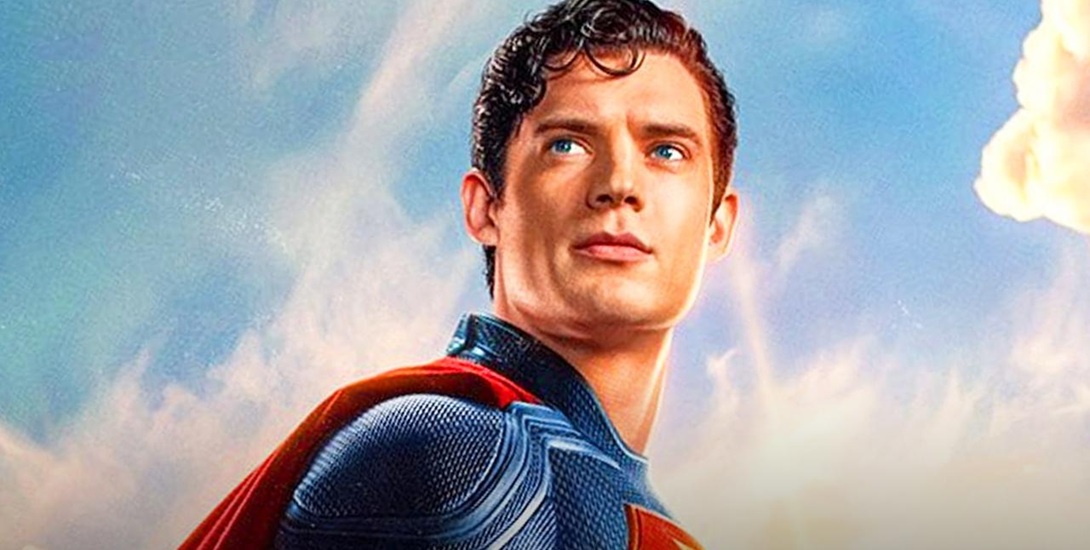
When James Gunn launched his reimagined DC Universe earlier this year with Superman, expectations were high—but few could have predicted what the film would become: a bona fide financial juggernaut. New industry data has pulled back the curtain on the film’s true profitability, and the numbers are nothing short of staggering.
According to a new report from Forbes, Superman has already crossed the $100 million mark in pure profit for Warner Bros. and DC Studios, with projections aiming closer to $150 million by year’s end. In an era where superhero fatigue is often proclaimed as loudly as any Kryptonian battle cry, Gunn’s bright, earnest take on the Man of Steel has defied the trend and soared past every expectation.
To understand just how remarkable this success is, consider its competition. Superman didn’t just outperform the last several DC releases—it left them in the dust. The film’s box office totals landed at least 40% higher than any of the previous nine DCEU installments released across the last six years. And it didn’t stop at conquering DC’s internal legacy; it even outgrossed Marvel Studios’ recent slate, including The Fantastic Four: First Steps, a movie that had its own strong buzz behind it.
For audiences, the film’s arrival marked a turning point—a symbolic sunrise after a long stretch of uneven DC output. David Corenswet won widespread praise as the new Clark Kent, embodying a hopeful, uncomplicated heroism that many fans had been craving. The movie, the first big screen chapter of Gunn’s “Gods and Monsters” plan (which officially started with the HBO Max series Creature Commandos), ultimately pulled in more than $616 million worldwide. Its momentum continued on streaming platforms, where it performed just as powerfully, cementing its status as a modern superhero success story.
A major part of Superman’s impact can be traced back to its tonal reset. Gone were the muted palettes and brooding atmospheres of the DCEU. Instead, Gunn traded them in for vibrant colors, emotional warmth, and a sense of fun—elements that hadn’t taken center stage in DC’s films for over a decade. While some longtime fans were hesitant about the pivot, the broader movie-going audience embraced it wholeheartedly.
And the profits speak louder than any debate. Warner Bros. now has a clear signal: the brighter, more hopeful direction isn’t just creatively refreshing—it’s commercially powerful. With numbers approaching $150 million in net gains, the studio has every reason to lean into this new vision. Fans hoping for a return to the grittier aesthetic of previous films might be waiting a very long time.
The future of the DCU is already beginning to take shape. A sequel, Man of Tomorrow, is slated for July 9, 2027, with Gunn hinting that it will dive deeper into the dynamic between Superman and Lex Luthor—two of the standout performances from the first installment. And that’s just the beginning.
Warner Bros. Discovery CEO David Zaslav has openly championed the studio’s long-term ambitions, revealing that Superman is only the beginning of an ambitious 10-year roadmap. Over the next year alone, audiences will see Supergirl, Clayface, and the HBO Max series Lanterns usher in a new wave of interconnected storytelling.
Farther down the line, other major projects—Swamp Thing, a new Wonder Woman installment, and The Brave and the Bold—are in varying stages of development, signaling a DC Universe more active and coordinated than it has been in years.
For now, though, Gunn’s Superman continues to dominate the conversation. It’s a hit not just by modern superhero standards, but by old-fashioned Hollywood metrics: strong box office numbers, massive profits, and a renewed cultural enthusiasm for the Man of Steel. If this is truly the dawn of a new DC era, it’s hard to imagine a stronger or more hopeful beginning.
Superman is currently streaming on HBO Max.